Oil Tank Services In Suffolk
For the tank behind the house, the base that has started to move, and the replacement that needs a little more thought.
Practical removal, replacement, installation and cleaning enquiries for homes, rural properties and commercial sites across the county.
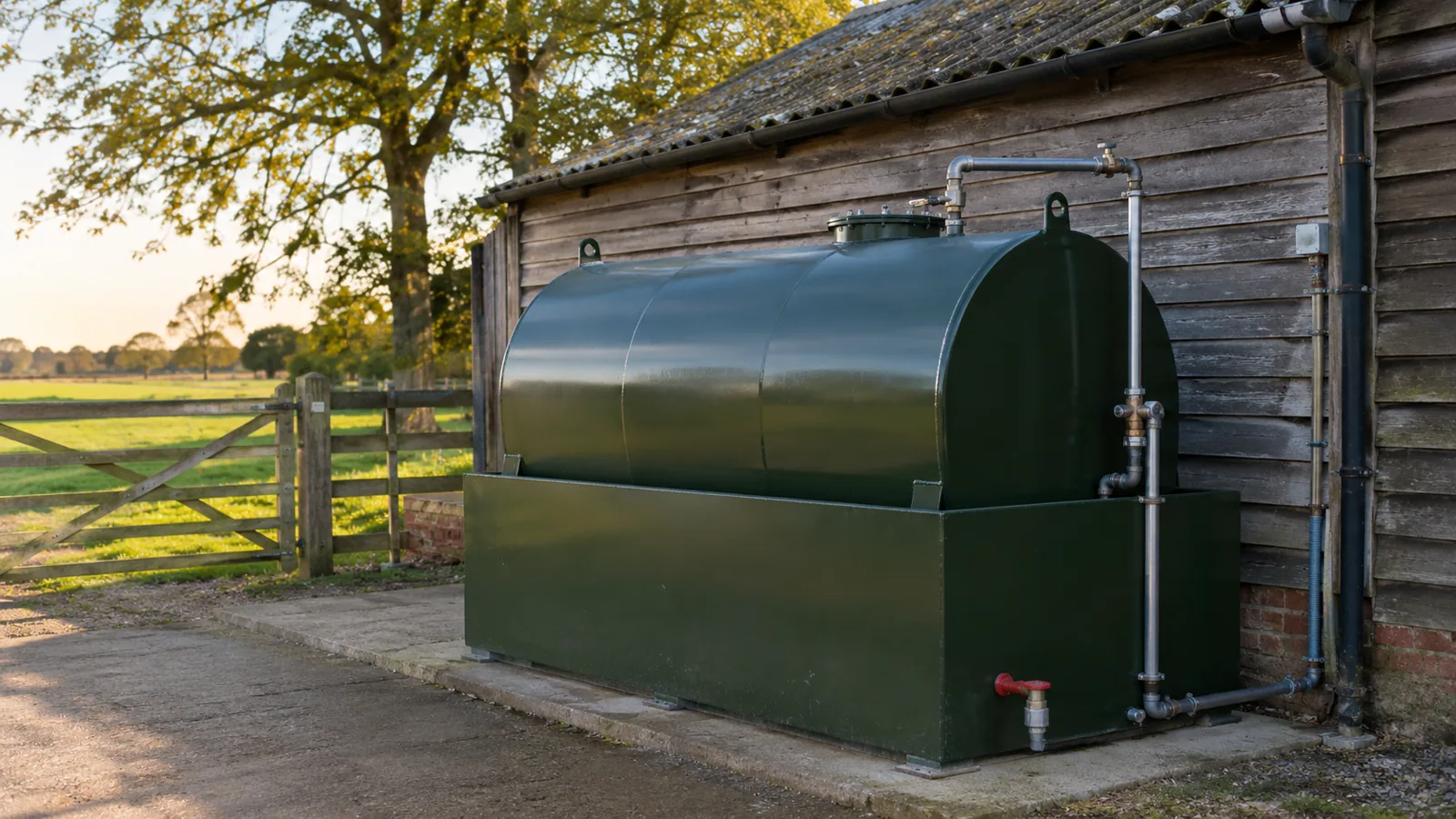
A new tank is only part of the decision. Its position, support, access and the oil already inside deserve the same attention.
The Right Work For Your Tank
Start with what has changed. An unused tank, repeated fuel problems and a failing base each call for a different approach. These guides explain the choices before you request a quote.
Oil Tank Removal
A redundant tank, dealt with from the remaining oil to the space it leaves behind.
Read The Guide02Oil Tank Replacement
Choose a new tank with the base, fuel transfer and heating changeover considered together.
Read The Guide03Oil Tank Installation
Get the location, capacity, delivery route and connections right from the beginning.
Read The Guide04Oil Tank Cleaning
Investigate water, sludge and repeated fuel problems before deciding on a cleaning method.
Read The Guide05Underground Tanks
Assess a buried vessel, compare removal with decommissioning and record what stays below.
Read The Guide06Leaking Oil Tanks
Understand the priorities, fuel recovery and follow-on work when a leak is suspected.
Read The Guide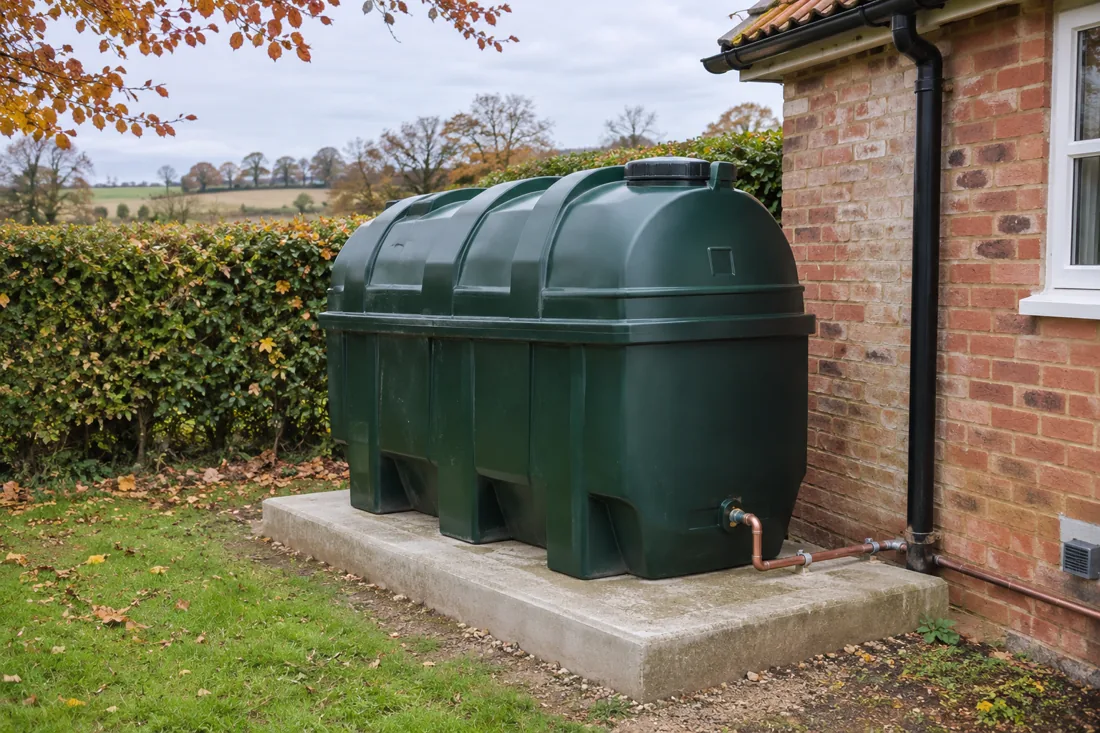
An Older Base Is Part Of The Job
A tank can look ready for replacement while the slabs underneath receive little attention. Cracking, settlement and unsupported edges can change what is needed, even if the next tank has a similar capacity.
For a Suffolk garden reached through a narrow gate, replacing both tank and base also needs a workable sequence. The old oil may need temporary storage, the heating may be interrupted and groundwork may have to be prepared before the new tank arrives.
Start with a wide photograph of the tank, its base and the route from the driveway. A useful quote explains whether the base can stay, what replaces it if necessary and how fuel and access are handled.
Plan A ReplacementFrom First Details To A Defined Scope
You do not need to know the technical solution before enquiring.
Describe What You Have
Tell us the postcode, tank material, approximate size and remaining oil. Explain what prompted the enquiry and whether the tank still supplies heating or equipment. Mention any suspected leak immediately.
Resolve The Practical Questions
With your agreement, your details can be shared with a suitable service provider. They can discuss photographs, assess whether a visit is needed and clarify the base, access, fuel recovery and proposed method.
Agree The Work Before Booking
Ask for a written scope covering the tank work, waste route and any reinstatement. Confirm timing, interruptions, exclusions and the records you will receive. A submitted enquiry is the start of that discussion, rather than a confirmed booking.
Rural Homes And Working Sites Across Suffolk
Enquiries are welcome from Ipswich, Bury St Edmunds, Stowmarket, Sudbury, Woodbridge and the surrounding villages, as well as Newmarket, Haverhill and north Suffolk.
Access and surroundings matter more than the nearest town name. Tell us about unmade approaches, shared entrances, ditches and any well or borehole near the tank. Coastal and river settings deserve particular attention to where escaped oil could travel.
A business tank also needs its use explained. Storage for machinery or standby plant may bring different containment requirements and a tighter shutdown window than a household heating changeover.
See The Suffolk Area GuideTwo Common Starting Questions
Unsure what information matters? These are useful places to start. Our full questions page covers fuel, bases, paperwork and buried tanks.
Can A Quote Be Prepared From Photographs?
Photographs can help define an oil tank quote when the vessel, base and access route are clear. Some work still needs a visit, especially buried tanks, uncertain connections or possible contamination. A useful initial quote should state its assumptions and identify what must be checked before the final scope is confirmed.
Can The Oil In My Old Tank Be Saved?
Oil in an old tank may be suitable for recovery when its condition has been assessed and there is safe temporary or permanent storage. Water, sludge and mixed product can prevent reuse. Ask for the quote to explain fuel handling and avoid assuming that the tank gauge shows the recoverable quantity.
Tell Us What Needs To Change
Send a few details about the tank and the work you are considering. Include a postcode so the location can be checked, plus an approximate fuel level if you know it.
For photos, wait for the responding provider to confirm a suitable way to send them. Keep all photographs to safe, accessible viewpoints.
For a current leak, use the leak guidance first. This form is not monitored as an emergency response channel.