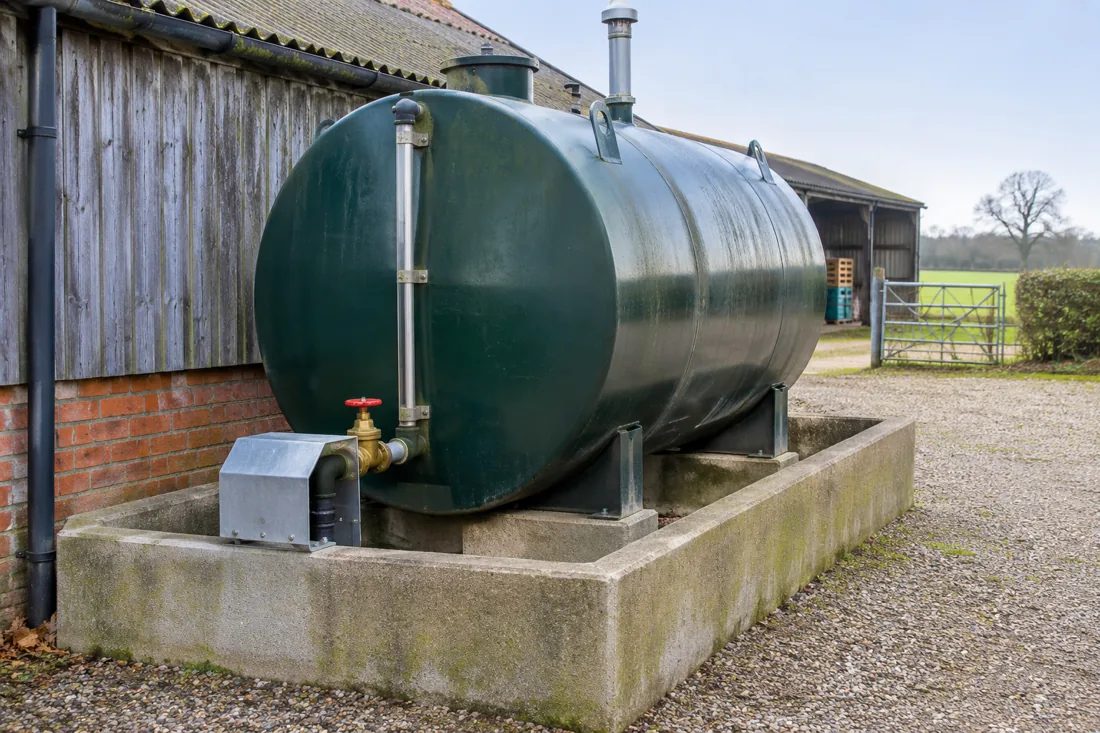
A Useful Start To Oil Tank Work
Suffolk Oil Tank Services helps households and businesses describe tank work clearly and connect with a suitable service provider. With your permission, enquiry details can be passed on so the work, access and likely next step can be discussed.
The focus is practical: what is stored, what is connected, whether the base is suitable and how the job can be reached. Those details lead to a more useful scope than choosing a tank or removal method before anyone understands the property.
Homes, Rural Properties And Businesses
For a domestic heating tank, interruption to heat and hot water can be as important as the vessel itself. Existing oil needs assessing, the support beneath the tank needs checking and the new arrangement must work for future deliveries.
For a commercial site, identify the equipment supplied and the operating constraints. Farm storage, standby generators and building heating can need different design and containment decisions. Do not assume that a domestic tank specification is appropriate simply because the fuel looks similar.
What A Careful Scope Looks Like
A written scope should identify the tank, remaining fuel, access method and proposed outcome. It should explain base work, connection responsibilities, removed materials and what the property will look like afterwards. Uncertain items need stated assumptions and an agreed way to authorise further work.
The service guides are here to help you prepare those questions. They describe processes and decisions, rather than presenting illustrative photographs as completed Suffolk projects. Provider availability, qualifications, insurance and suitability should be confirmed with the business proposing the work.
Standards And Records
New and replacement home oil tanks in England must meet Building Regulations. The GOV.UK domestic storage guide explains the competent person and Building Control routes. Ask the installer which applies and keep the resulting records with the property documents.
Business oil storage has its own official guidance, including containment and positioning considerations. Specialist activities such as confined-space work and lifting also need methods appropriate to the actual task. A website description cannot replace a site assessment.
Waste records depend on what is removed and how it is classified. Ask for the relevant documentation for your job rather than expecting an identical certificate pack for cleaning, removal and installation.
What Happens After An Enquiry?
Your form details explain the service requested, contact information and any postcode you provide. An explicit consent checkbox asks whether those details may be shared with a suitable provider so they can respond. Submitting the form does not confirm a price, appointment or emergency attendance.
The responding provider can request photographs, discuss a visit and provide their own scope and terms. You can ask about technical credentials, waste arrangements and the records you will receive before deciding whether to book.
Start With The Decision In Front Of You
For old or damaged storage, read the replacement guide. For a tank no longer in use, start with removal. If there is an oil smell or visible staining, use the leak guidance to understand reporting and follow-on assessment.
You can contact us with the postcode, tank description and reason for the enquiry. There is no need to diagnose the fault before asking, but do mention uncertainty about contents, buried pipework or the tank's history.